
Head of the Department
Programme Offered
B.E - Electrical and Electronics Engineering
Intake - 60
About the Department
ACCREDITATION
The Electrical and Electronics Engineering Department has been Re-accreditated by National Board of Accrediation, AICTE, New Delhi.
ABOUT THE DISCIPLINE
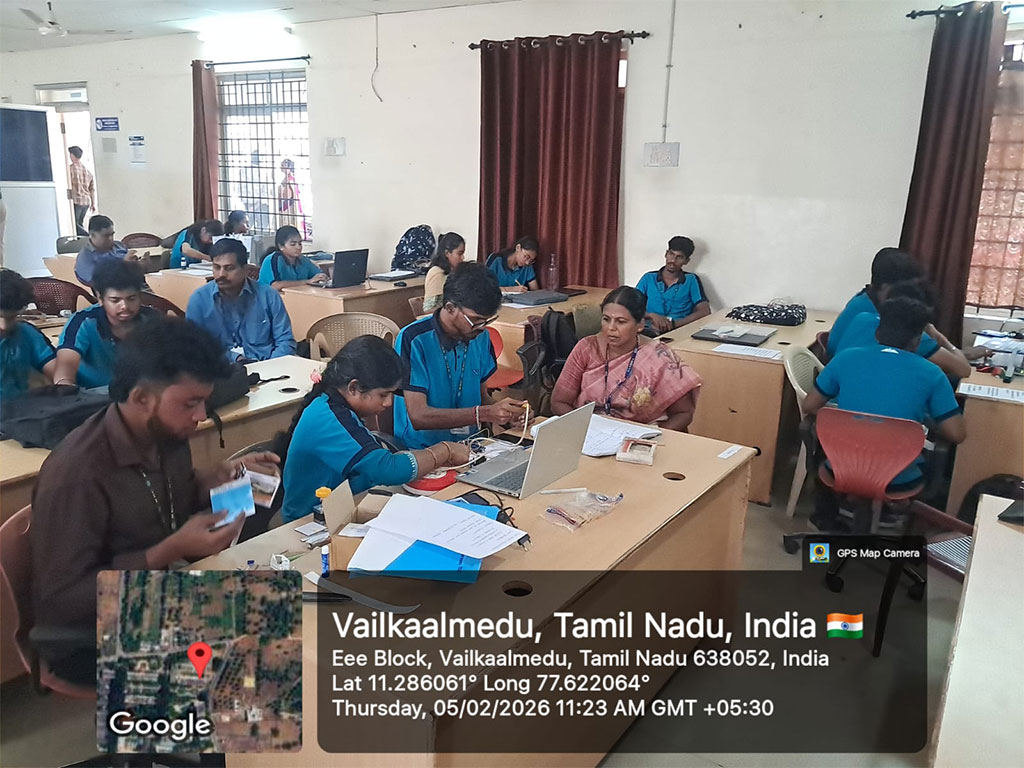
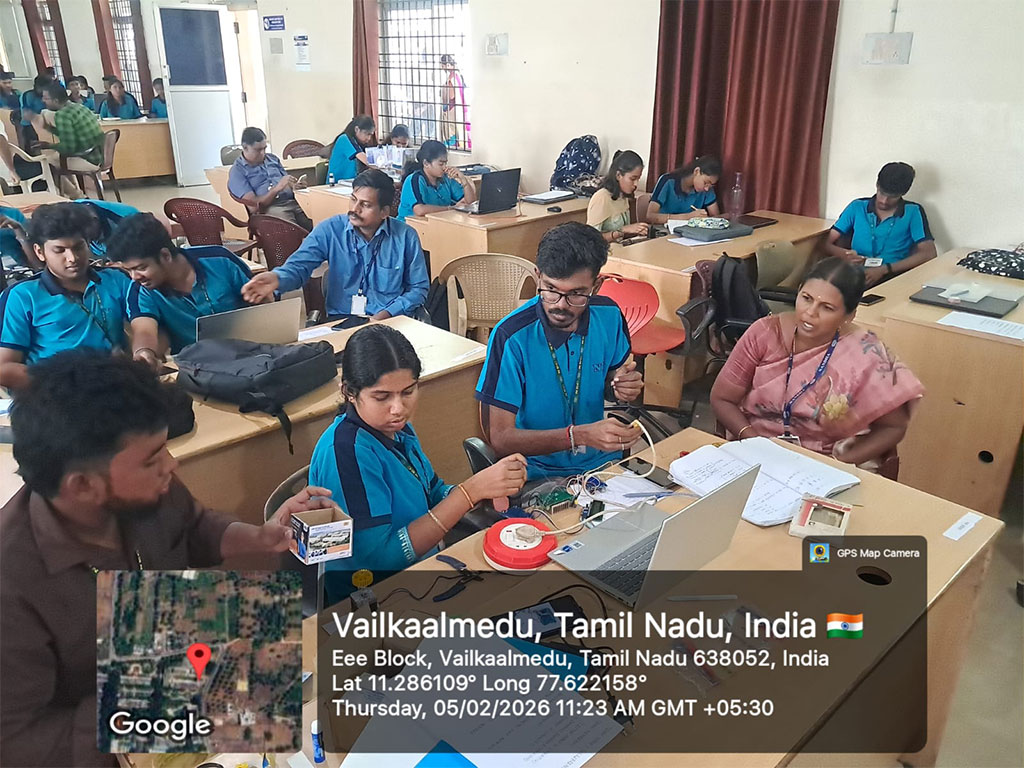
The Department of Electrical and Electronics Engineering was started in the year 2002 and presently it offers undergraduate program in Electrical and Electronics Engineering. The Department has qualified faculty members with excellent academic records. The Department is equipped with excellent laboratory facilities since its inspection.
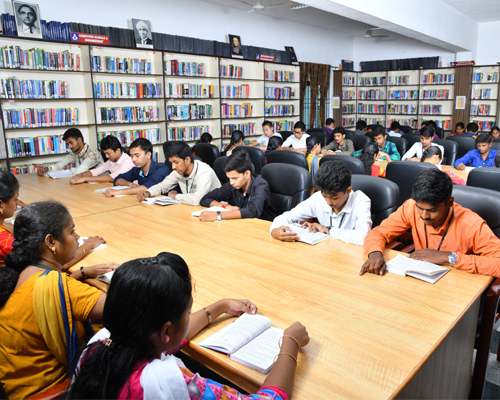
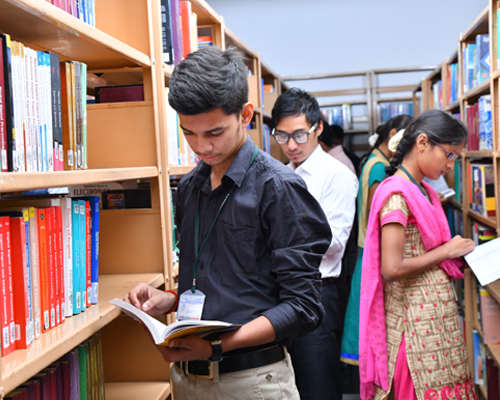
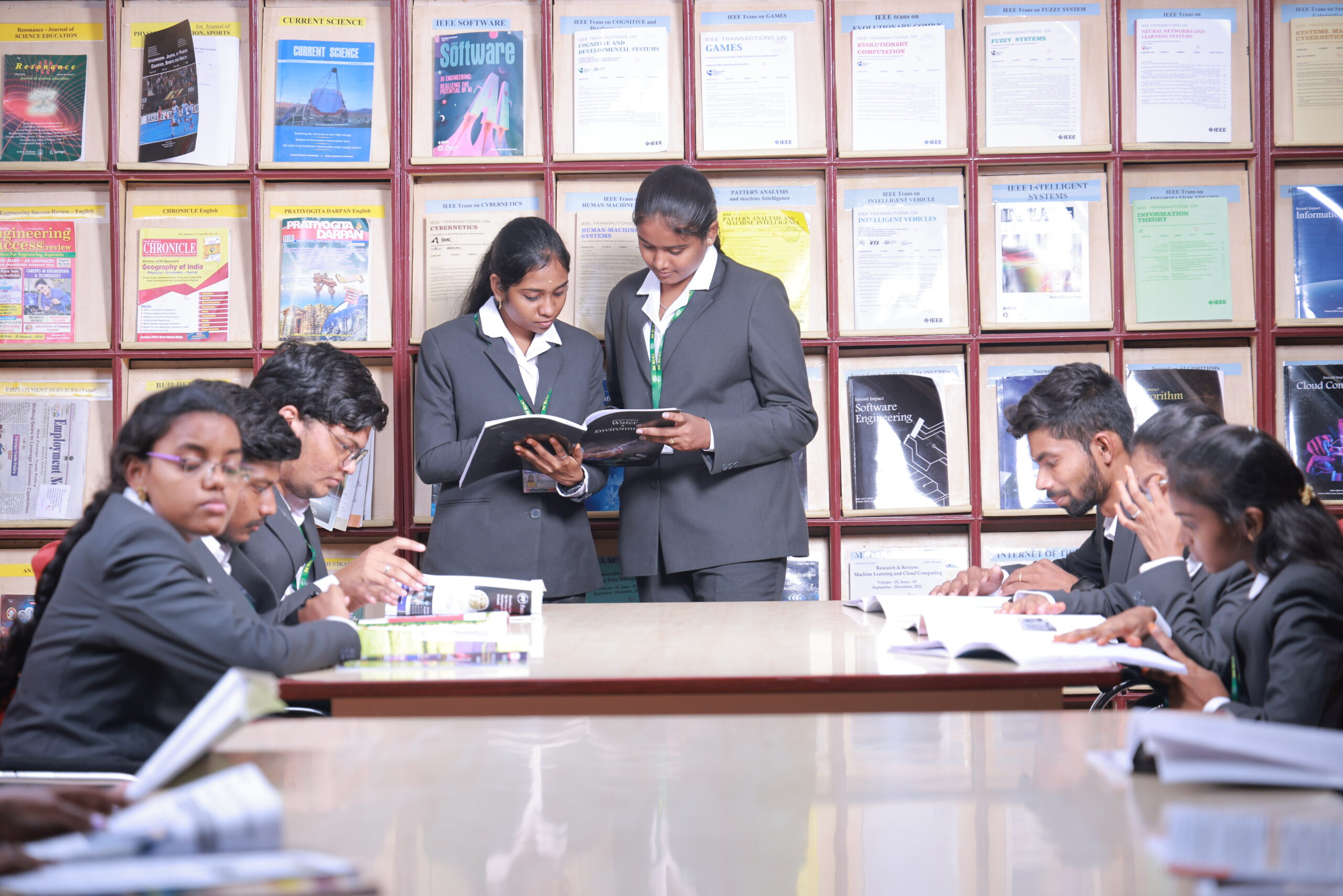
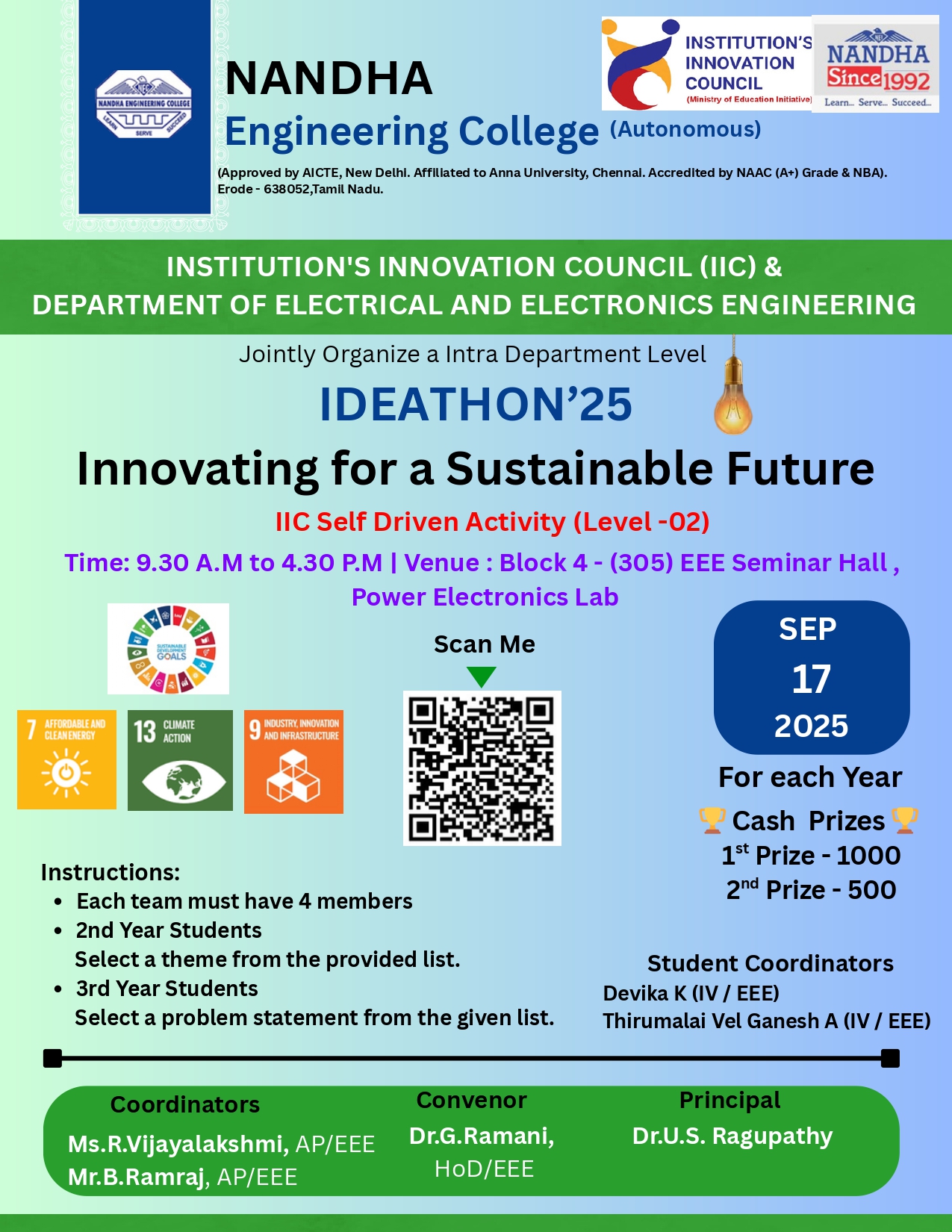
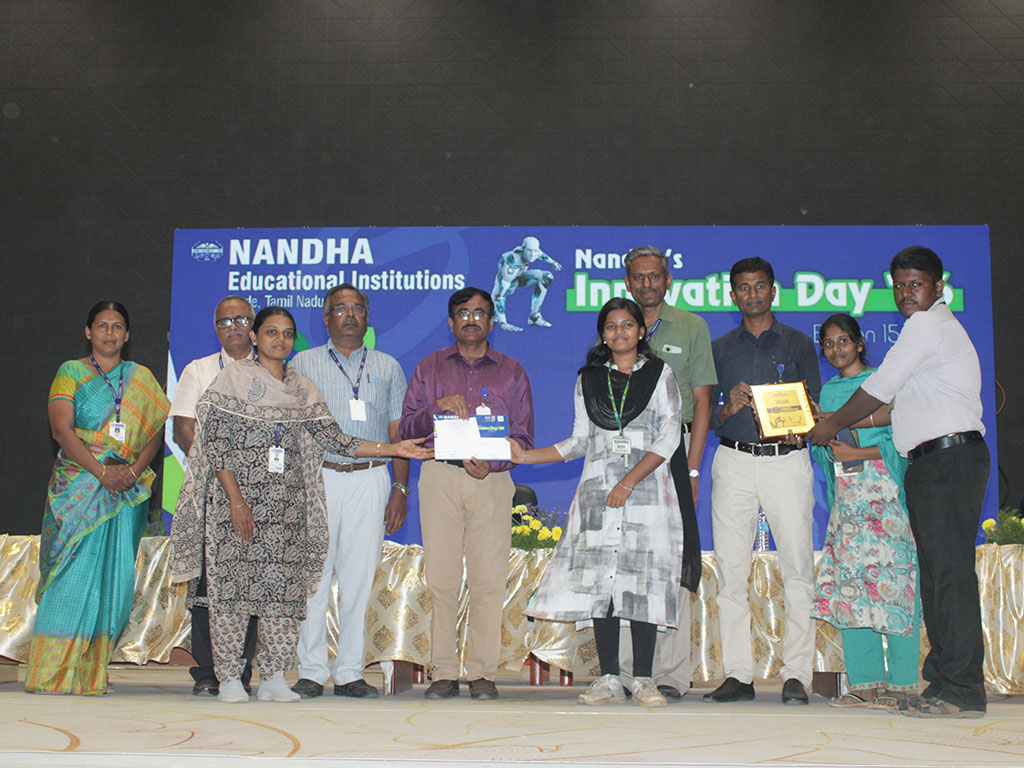
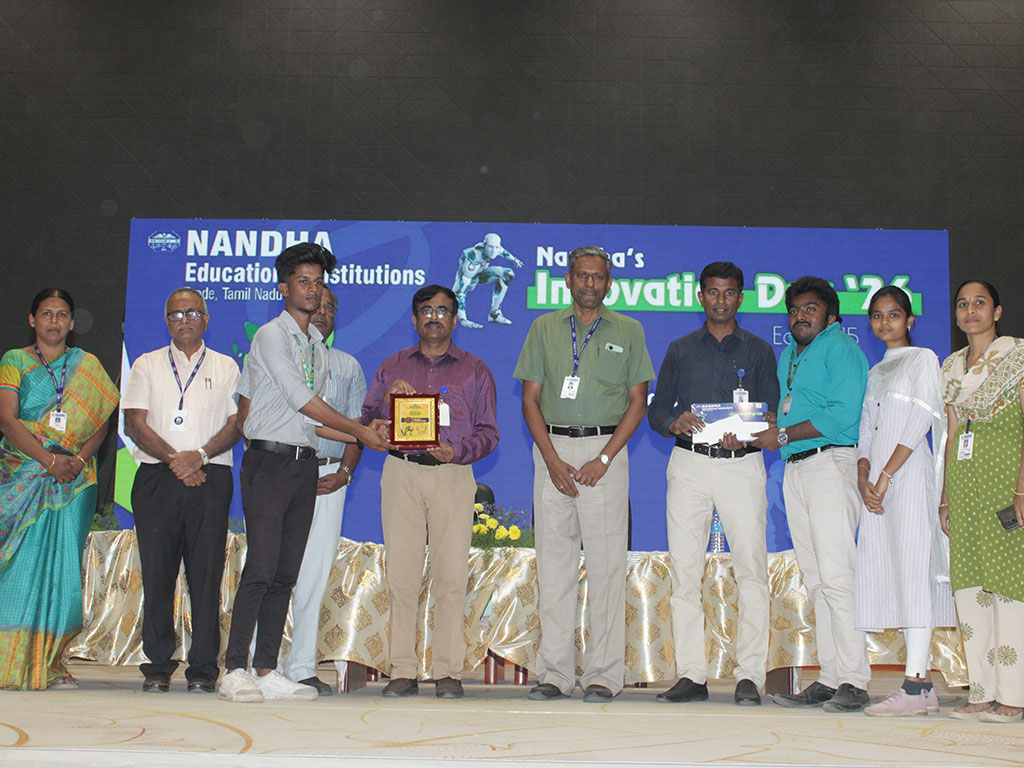
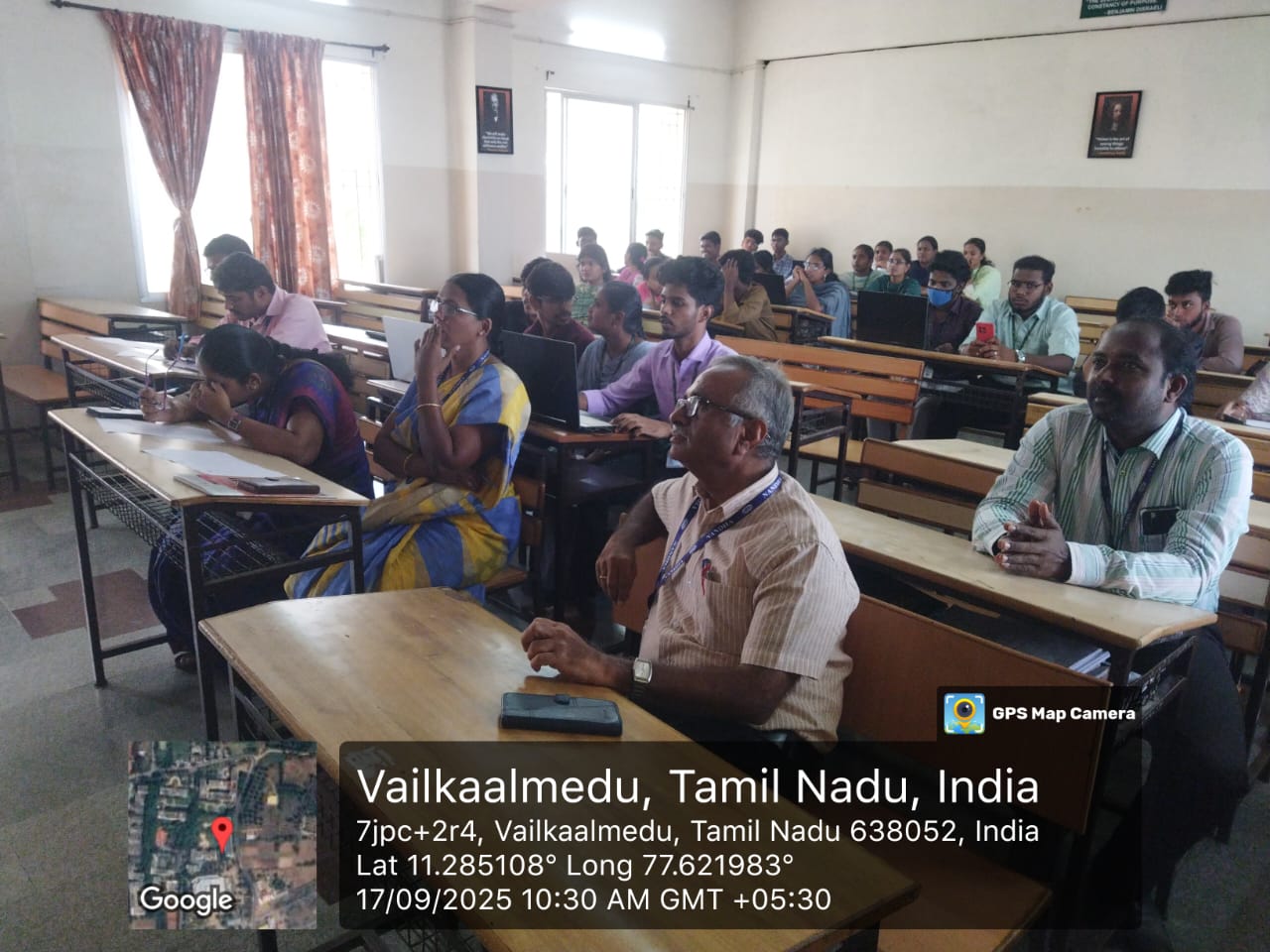
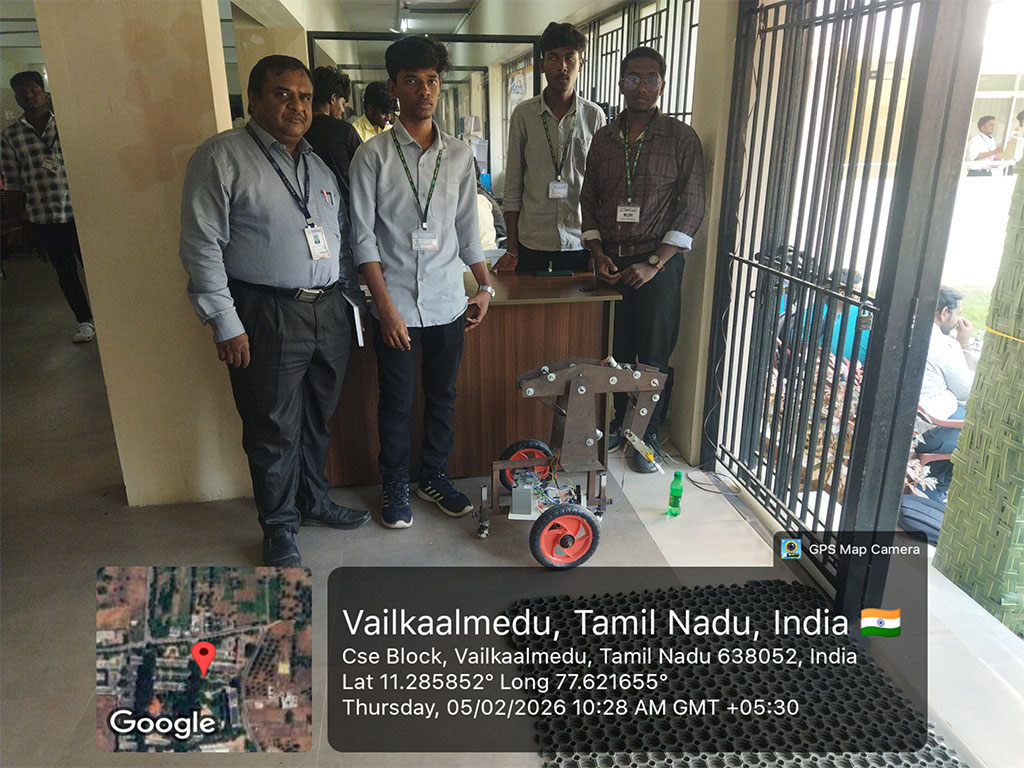
Electrical Engineering department has a separate department library to cater to the specific needs of the Electrical Engineering students. The computer and internet facilities are made available to the students round the clock. The department has initiated conducting National Conference, Technical Symposium, Inter/Intra department Activities, Funding agencies Sponsored Workshops and Seminars.
VISION
To foster academic excellence imparting knowledge in Electrical, Electronics and allied disciplines to meet the changing needs of the society.
MISSION
Department of Electrical and Electronics Engineering is committed
- To equip the students with leadership qualities for accepting the challenges in various engineering sectors.
- To excel in the thrust areas of Electrical and Electronics Engineering to solve real world problems.
- To empower the students to adapt the latest technologies by providing innovative learning environment
PROGRAM EDUCATIONAL OBJECTIVES (PEOs)
The graduates of Electrical and Electronics Engineering will be
PEO 1: Core Competency: A Successful professional with domain knowledge in Electrical and Electronics Engineering using emerging techniques.
PEO 2: Research, Innovation and Entrepreneurship: Able to demonstrate multi-disciplinary skills through innovation and research to meet the societal needs.
PEO 3: Ethics, Human values and Life-long learning: Able to demonstrate ethical practices and managerial skills through continual learning.
PO1: Engineering Knowledge: Apply knowledge of mathematics, natural science, computing, engineering fundamentals and an engineering specialization as specified in WK1 to WK4 respectively to develop to the solution of complex engineering problems.
PO2: Problem Analysis: Identify, formulate, review research literature and analyze complex engineering problems reaching substantiated conclusions with consideration for sustainable development. (WK1 to WK4)
PO3: Design/Development of Solutions: Design creative solutions for complex engineering problems and design/develop systems/components/processes to meet identified needs with consideration for the public health and safety, whole-life cost, net zero carbon, culture, society and environment as required. (WK5)
PO4: Conduct Investigations of Complex Problems: Conduct investigations of complex engineering problems using research-based knowledge including design of experiments, modeling, analysis & interpretation of data to provide valid conclusions. (WK8)
PO5: Engineering Tool Usage: Create, select and apply appropriate techniques, resources and modern engineering & IT tools, including prediction and modeling recognizing their limitations to solve complex engineering problems. (WK2 and WK6)
PO6: The Engineer and The World: Analyze and evaluate societal and environmental aspects while solving complex engineering problems for its impact on sustainability with reference to economy, health, safety, legal framework, culture and environment. (WK1, WK5, and WK7)
PO7: Ethics: Apply ethical principles and commit to professional ethics, human values, diversity and inclusion; adhere to national & international laws. (WK9)
PO8: Individual and Collaborative Team work: Function effectively as an individual, and as a member or leader in diverse/multi-disciplinary teams.
PO9: Communication: Communicate effectively and inclusively within the engineering community and society at large, such as being able to comprehend and write effective reports and design documentation, make effective presentations considering cultural, language, and learning differences
PO10: Project Management and Finance: Apply knowledge and understanding of engineering management principles and economic decision-making and apply these to one’s own work, as a member and leader in a team, and to manage projects and in multidisciplinary environments.
PO11: Life-Long Learning: Recognize the need for, and have the preparation and ability for
- i) independent and life-long learning ii) adaptability to new and emerging technologies and iii) critical thinking in the broadest context of technological change. (WK8)
The students of Electrical and Electronics Engineering will be able to
PSO 1: Analyze, design and validate processes, products by applying knowledge and skills in Power system, Electrical Machines and Power Electronics.
PSO 2: Design and analyze the processes of smart grid and renewable energy systems using appropriate tools and techniques.

Supporting Staff Members

Ms.Joe Punitha G C

Mr.Ajithkumar K

Ms.Vinitha N V

Mr. Gokul P
Department Laboratory
Electronic Devices and Circuits Laboratory
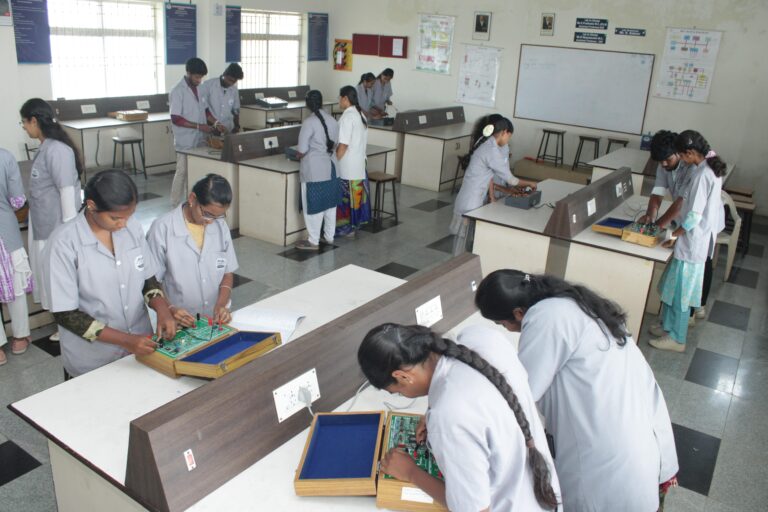
The Electronic Devices and Circuits Lab provide hands-on experience in understanding and analyzing the behavior of various electronic components like diodes, transistors, and amplifiers. Students perform experiments to design, test, and troubleshoot different types of analog circuits. The lab helps in mastering concepts such as signal amplification, rectification, and filtering, essential for real-world applications. It also emphasizes practical skills in using measurement tools like oscilloscopes and multimeters.
Electrical Machines Laboratory
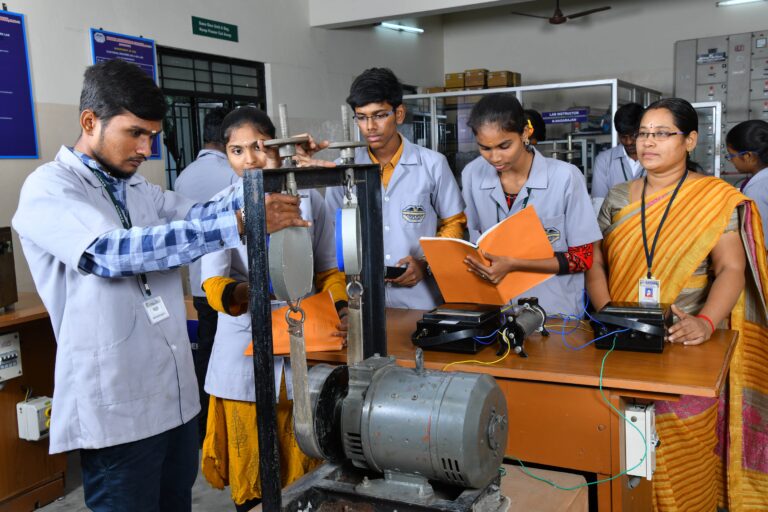
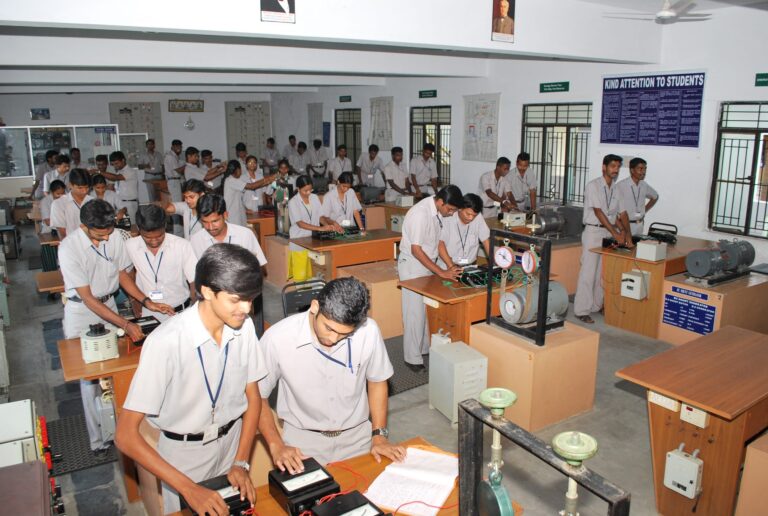
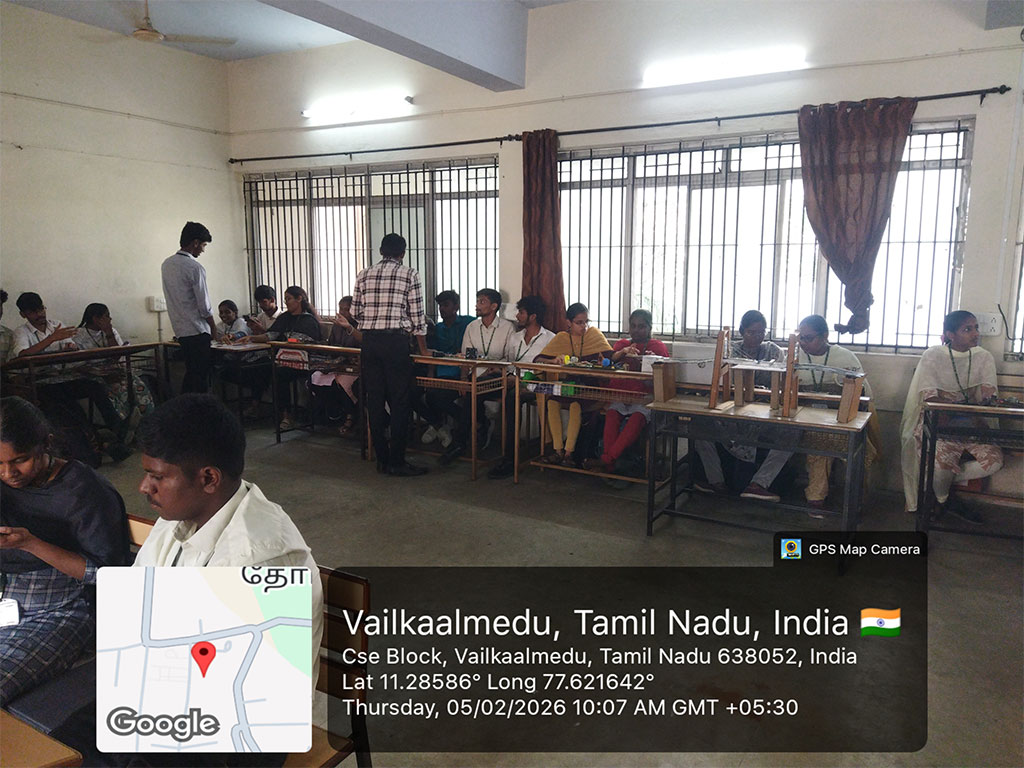
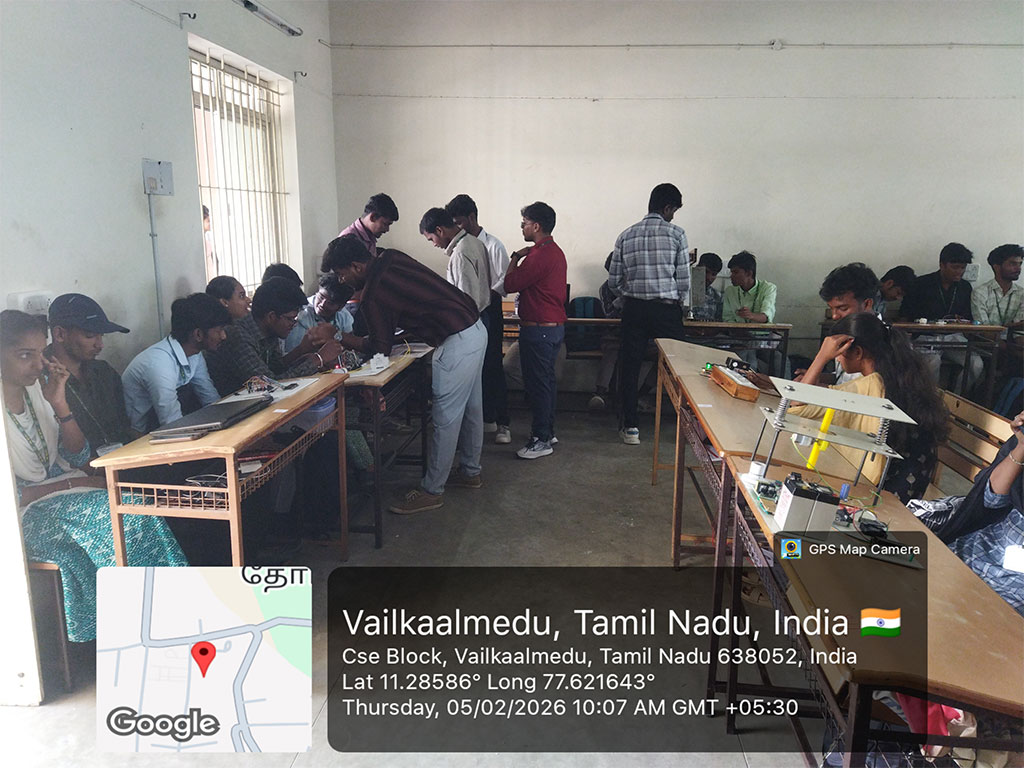
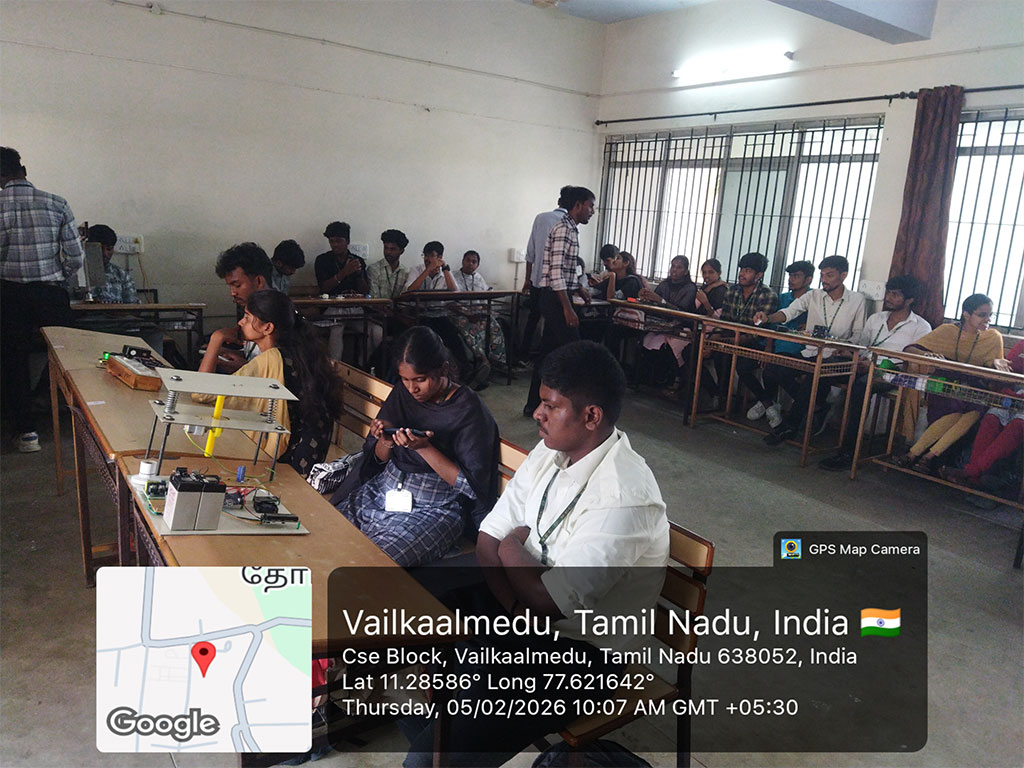
The Electrical Machines Laboratory is a vital part of the Electrical Engineering department, designed to provide students with hands-on experience in working with both DC and AC machines. This laboratory allows students to explore the fundamental principles behind the operation and performance of electric machines, which are crucial components in power generation, transmission, and industrial applications. The Electrical Machines Laboratory is an essential platform for Electrical Engineering students to acquire practical skills and insights into the operation of electrical machines. It enhances their problem-solving abilities, critical thinking, and analytical skills, making them well-prepared for the challenges in both industry and academia related to electrical machines and power systems.
Analog and Digital Circuits Laboratory
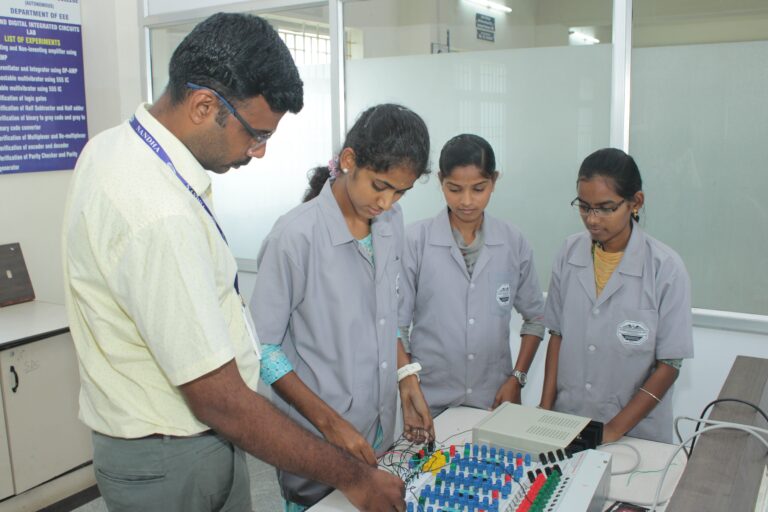
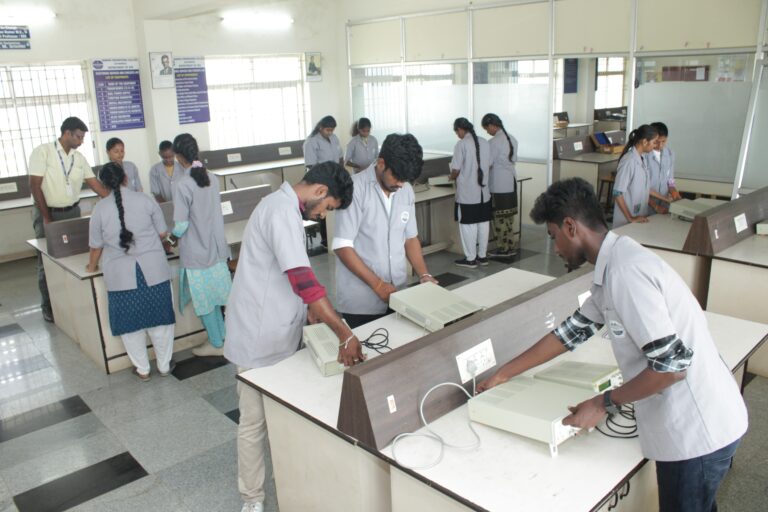
The Analog Integrated Circuits Laboratory is a dedicated facility designed to provide students with practical exposure to analog system design, testing, and implementation. The laboratory is equipped with a comprehensive range of equipment to support experiments in linear and non-linear analog circuits, signal conditioning, and system interfacing. The lab houses essential equipment including Dual Trace Oscilloscopes, Digital Storage Oscilloscopes (50 MHz), Function Generators, Digital Multimeters, and both Single and Dual Variable DC Regulated Power Supplies. These tools provide the necessary foundation for accurate circuit analysis and testing.
Micro Processor and Micro Controller Laboratory
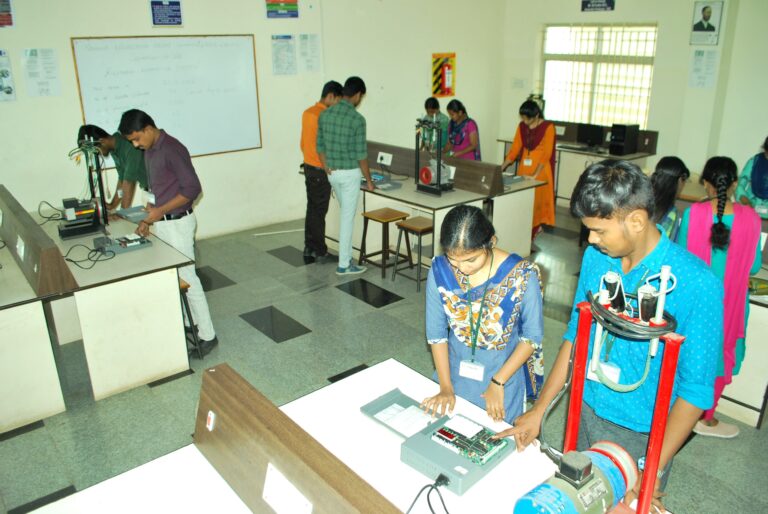
The Microprocessor and Microcontroller Laboratory is a core facility designed to support hands-on learning and experimentation in embedded systems, microprocessors, and microcontroller-based applications. This lab is well-equipped with state-of-the-art trainer kits and interface modules, enabling students to practically understand hardware programming, interfacing, and control system concepts. The exposure to both legacy systems (8085, 8051) and modern development boards (PIC, ARM) prepares students for a broad range of career opportunities and higher studies. The laboratory is continuously upgraded to incorporate contemporary platforms and industry-grade tools, ensuring that students stay ahead of the evolving technological landscape.
Control and Instrumentation Laboratory
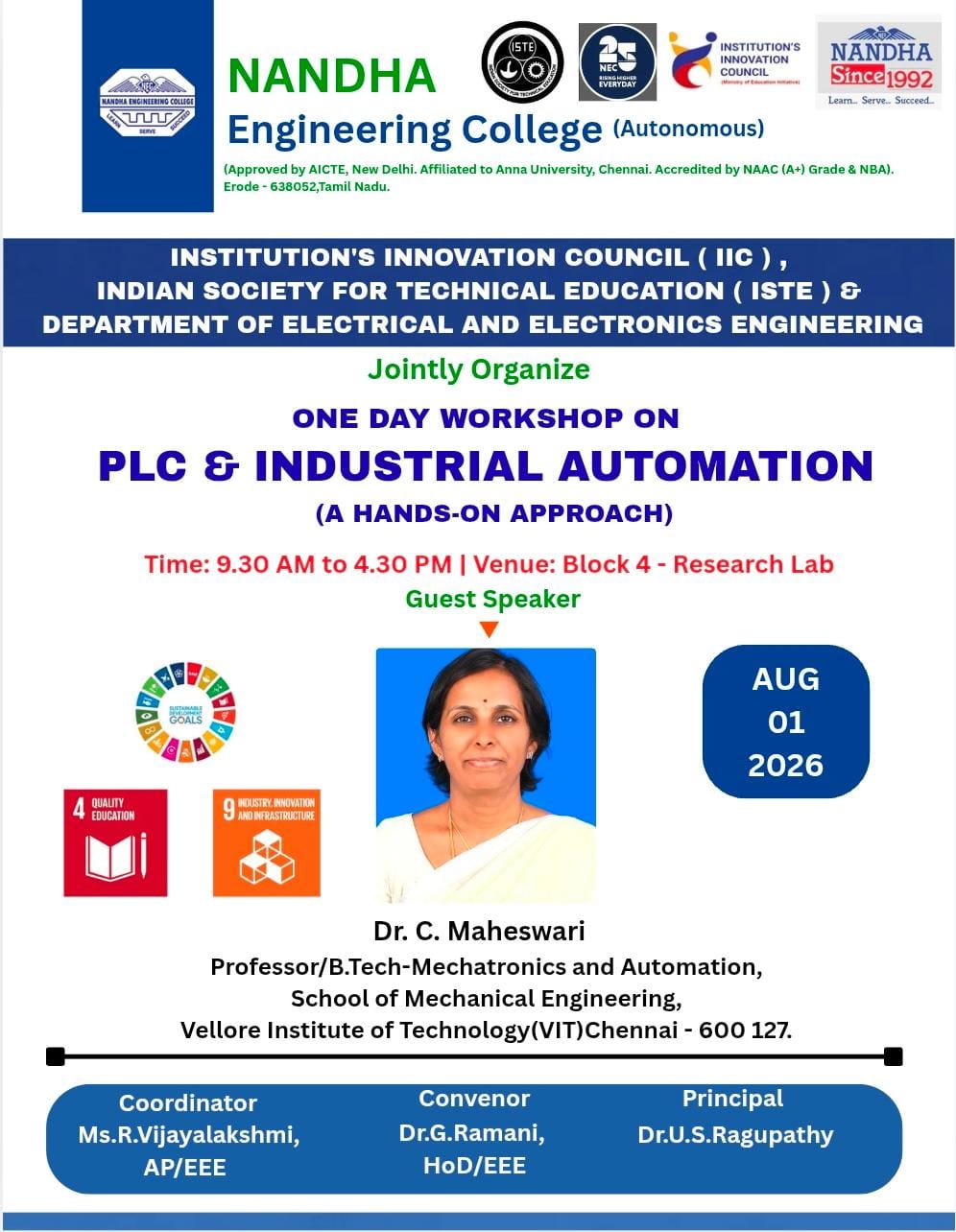
The Control and Instrumentation Laboratory is a specialized facility in the EEE department aimed at providing students with a deep understanding of dynamic system behavior, feedback control, and the principles of instrumentation. This lab serves as a bridge between theoretical concepts and practical applications in automation, measurement, and control engineering. The vision of the lab is equip students with the knowledge and practical skills needed to analyze, design, and implement control and instrumentation systems used in modern industries and research environments. The mission of the lab is developing student expertise in classical and modern control theory through practical experimentation. To introduce students to real-time measurement techniques using various sensors and transducers and to provide hands-on experience in configuring and operating industrial controllers such as PLCs and PID controllers. To promote interdisciplinary applications of control and instrumentation across robotics, power systems, and embedded systems.
Power Electronics Laboratory
The Power Electronics Laboratory at the Department of Electrical and Electronics Engineering provides students with practical experience and knowledge in power electronics. It focuses on understanding semiconductor devices and circuits used to efficiently convert, control, and manage electrical power. Power electronics plays a vital role in electrical engineering, involving the design and control of electrical power using semiconductor devices. In the lab, students explore power converters, inverters, rectifiers, and other devices crucial in renewable energy systems, electric vehicles, industrial automation, and consumer electronics. Students design and simulate power electronic circuits, analyzing their performance in different conditions. The lab also supports research on integrating power electronics into solar and wind energy systems, with a focus on energy efficiency and optimization.
Research Laboratory
The Research Lab in the Department of Electrical and Electronics Engineering is a dynamic hub for innovation, experimentation, and advanced technological development. The lab is dedicated to research in diverse areas such as power electronics, renewable energy systems, embedded systems, control systems, power system, and electric vehicles. Equipped with modern instrumentation and simulation tools, the lab provides an ideal environment for students, scholars, and faculty to engage in cutting-edge projects. Research initiatives often focus on real-world applications, including smart grid solutions, electric vehicle technologies, IoT-based automation, and energy-efficient system design. Through its commitment to excellence in research and education, the lab not only supports academic growth but also contributes valuable solutions to the industry and society at large.